|
|
|
Wholesalers: |

|
/ |
|
|
|
|
|
|
|
|
| "Feelings come and go like clouds in a windy sky. Conscious breathing is my anchor."
~Thich Nhat Hanh |
|
|
|
|
|
|
|
|
|
|
|
|
|
|
|
|
|
|
|
|
|
|
|
|
Sku#:2899
|
|
|
Wholesale price |
US |
XXX.XX |
|
《In order to view the wholesale price .
Please Apply to be a wholesalers》
|
|
|
|
|
 |
|
Please contact us to verify availability. 1-626-354-6228
Email: zambalallc@gmail.com
America area customers can view on this website first.
https://FlyingMystics.org/ |
|
|
|
|
|
|
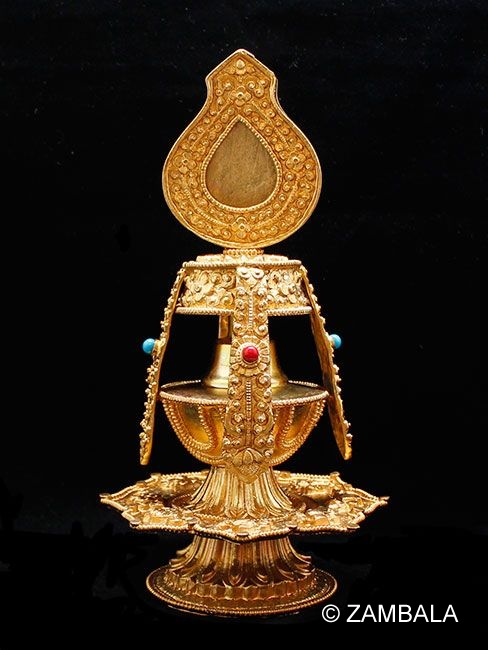
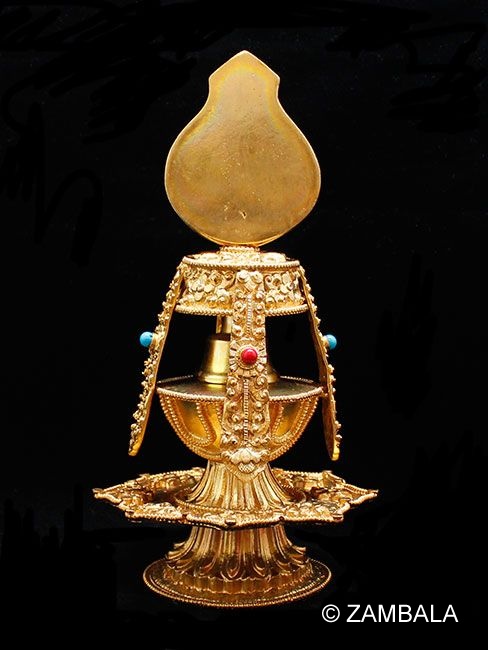
Material: Bronze, gilded, cast, engraved
Size: Height 21cm
Description: In Tibetan Buddhism (also known as Lamaism or Vajrayana Buddhism), the "Longevity Vase" (Tibetan: tse bum, meaning longevity vase) mainly refers to two related but slightly different ritual implements: one is the vase held by the Buddha of Longevity (Amitayus), and the other is the more general "wish-fulfilling vase" or "auspicious vase" (Tibetan: bum pa or ter bum), often used as one of the Eight Auspicious Symbols or an independent ritual implement. The following explains its origin, usage, symbolism, and influence.
Origin
- **Originating from ancient Indian Buddhist tradition**: The vase (Sanskrit: kalasha) originated in ancient Indian culture, symbolizing abundance, wealth, and the water of merit (nectar). After Buddhism was introduced to Tibet, it was integrated into Tibetan Tantric Buddhism and became an important ritual implement. Vases are commonly seen in Thangka paintings and offerings. They are ornately decorated with jewels, silk, and wish-fulfilling trees, and topped with symbols of the Three Jewels.
- **Connection with Amitayus (Buddha of Longevity):** Amitayus is one of the manifestations of Amitabha, specifically symbolizing immeasurable life and wisdom. The iconic object held by Amitayus is the **longevity vase**, filled with the nectar of immortality (amrita), originating from the Tantric teachings on overcoming death and ignorance. Padmasambhava (founder of Tibetan Buddhism) taught the ritual of making vases for healing the environment and all beings.
- **Special Heritage of the Wish-Fulfilling Vase:** Some vases are called "wish-fulfilling vases" or "wealth vases," prophesied and instructed by Padmasambhava to be made. They contain sacred objects and are used to restore the earth's vitality in the degenerate age. Each school of Tibetan Buddhism (such as Nyingma, Kagyu, and Gelug) has detailed rituals for the making and blessing of the longevity vase, recorded in the Kangyur and other Buddhist canons.
Correct Use: The longevity vase is a ritual implement of Tantric Buddhism and should be used with reverence, blessed by a qualified master. Common uses include:
- **Use in Rituals**:
- In **empowerment ceremonies**, it is used as the main implement, filled with pure water (symbolizing nectar), with a peacock feather or a wish-fulfilling branch inserted at the mouth. It is sprinkled to purify and bless the disciple, bestowing longevity, wisdom, and merit.
- In **longevity empowerments** or longevity ceremonies, it is specifically used for practices involving Amitayus (Buddha of Long Life) and Amitabha (Buddha of Infinite Life), symbolizing longevity and the removal of obstacles.
- **Offering and Placement**:
- Placed in the center of the altar or mandala, symbolizing Amitayus or abundance.
- **The Wish-Fulfilling Vase** often contains auspicious items such as grains, medicinal herbs, jewels, relics, and holy water. After being blessed by a high-ranking monk:
- When placed in the home or temple, it attracts wealth, health, and good fortune.
- Buried in the earth, mountain passes, water sources, or rivers, it heals the environment, balances the five elements (earth, water, fire, wind, and space), and promotes longevity and peace.
- **Daily Practice**: While reciting the Amitayus mantra (Om Amara Ni Jundali Svaha), visualize the vase sprinkling nectar. The vase should be blessed regularly with clean water and incense, and should avoid contact with impure objects.
- **Note:** The making and blessing of the vase must be performed according to ritual by a lineage master; otherwise, it will lack power.
**Meaning**
- **Core Symbolism**:** Perfection of wisdom and merit, complete purity, health and longevity, abundant wealth, and eternal life. The nectar inside represents immortal wisdom, and the jewels adorning the vase symbolize the Three Jewels (Buddha, Dharma, Sangha) and inexhaustible merit. - **Combined with Amitayus (Buddha of Longevity):** Represents immeasurable lifespan, elimination of premature death and karmic obstacles, and increase of blessings and wisdom. Amitayus, along with White Tara and Ushnishavijaya, are collectively known as the "Three Deities of Longevity," symbolizing compassion, longevity, and liberation.
- **One of the Eight Auspicious Symbols:** In the Eight Auspicious Symbols of Tibetan Buddhism (umbrella, wheel of Dharma, conch shell, vase, lotus, golden fish, auspicious knot, victory banner), the vase specifically represents "perfect blessings and wisdom, and immortality," and is widely used in Thangka paintings, temple decorations, and residential feng shui.
- **In a broader sense:** Heals the environment, attracts wealth and prosperity, quells war and disease, and symbolizes inner spiritual abundance and outer harmony.
**Influence on Tibetan Buddhism:**
**Profound Religious and Cultural Significance:** The vase is a core ritual implement in Tibetan Buddhist Tantric practices, widely seen in temples, Thangka paintings, and folk art, reinforcing the belief in longevity and abundance. The Qing Dynasty's "Golden Urn Lottery" system, which used a golden urn to determine the reincarnation of Living Buddhas (such as the Dalai Lama and Panchen Lama), influenced the political and religious rule of Tibet and Mongolia.
**Social and Environmental Impacts:** In Tibet and Mongolia, the urn is used for blessings, feng shui adjustments, and environmental healing, embodying the compassionate spirit of Tibetan Buddhism's "benefiting all sentient beings." It is still used in modern global healing projects, with urns buried to restore the vitality of the earth.
**Folk Extensions:** Beyond religion, it has been integrated into Tibetan auspicious culture, becoming a symbol of wealth and longevity, influencing Han Chinese feng shui and crafts (such as porcelain vase ornaments).
The longevity urn embodies Tibetan Buddhism's antidote to the impermanence of life, emphasizing the attainment of immortality and perfection through spiritual practice. For personal practice or offering, it is recommended to seek guidance from a qualified master to receive genuine blessings.
|
|
|
 |
|
|
|
|
|
|
|
|
|
|
|
|
|
|
|
|
© 2026 Zambala inc. All Rights Reserved. No part of this site may be reproduced without our written Permission.
Service Mail: ZambalaLLC@gmail.com
Phone: (626) 289-9787 or 1(888)Zambala (926-2252)
Fax: (626) 289-9719
1904 West Valley Blvd. Alahambra, CA 91803 USA
Unless stated otherwise in content's license. Design By
|
|
|