|
|
|
Wholesalers: |

|
/ |
|
|
|
|
|
|
|
|
| "When one has the feeling of dislike for evil, when one feels tranquil, one finds pleasure in listening to good teachings; when one has these feelings and appreciates them, one is free of fear." Shakyamuni Buddha (563-483 B.C.) |
|
|
|
|
|
|
|
|
|
|
|
|
|
|
|
|
|
|
|
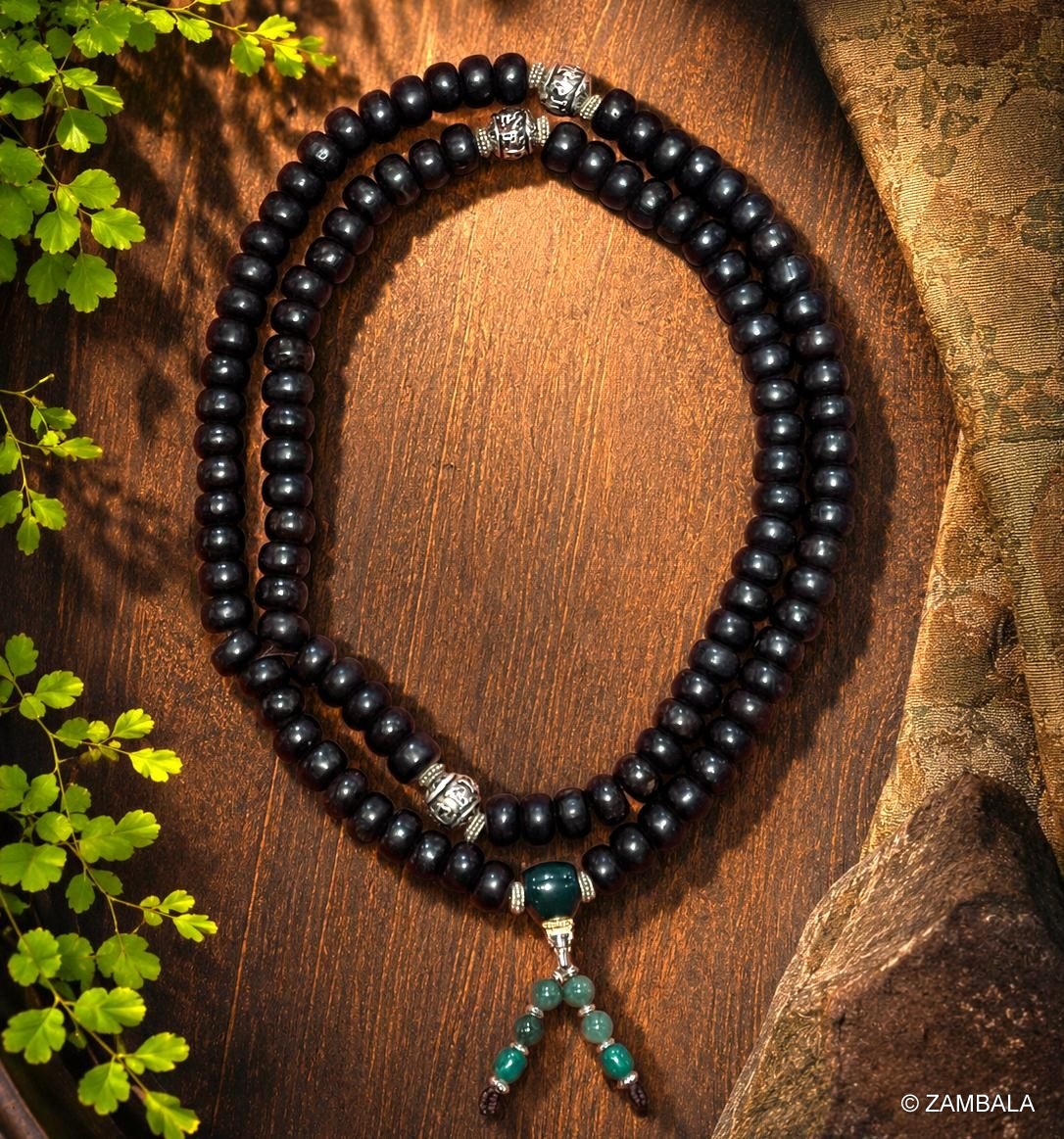
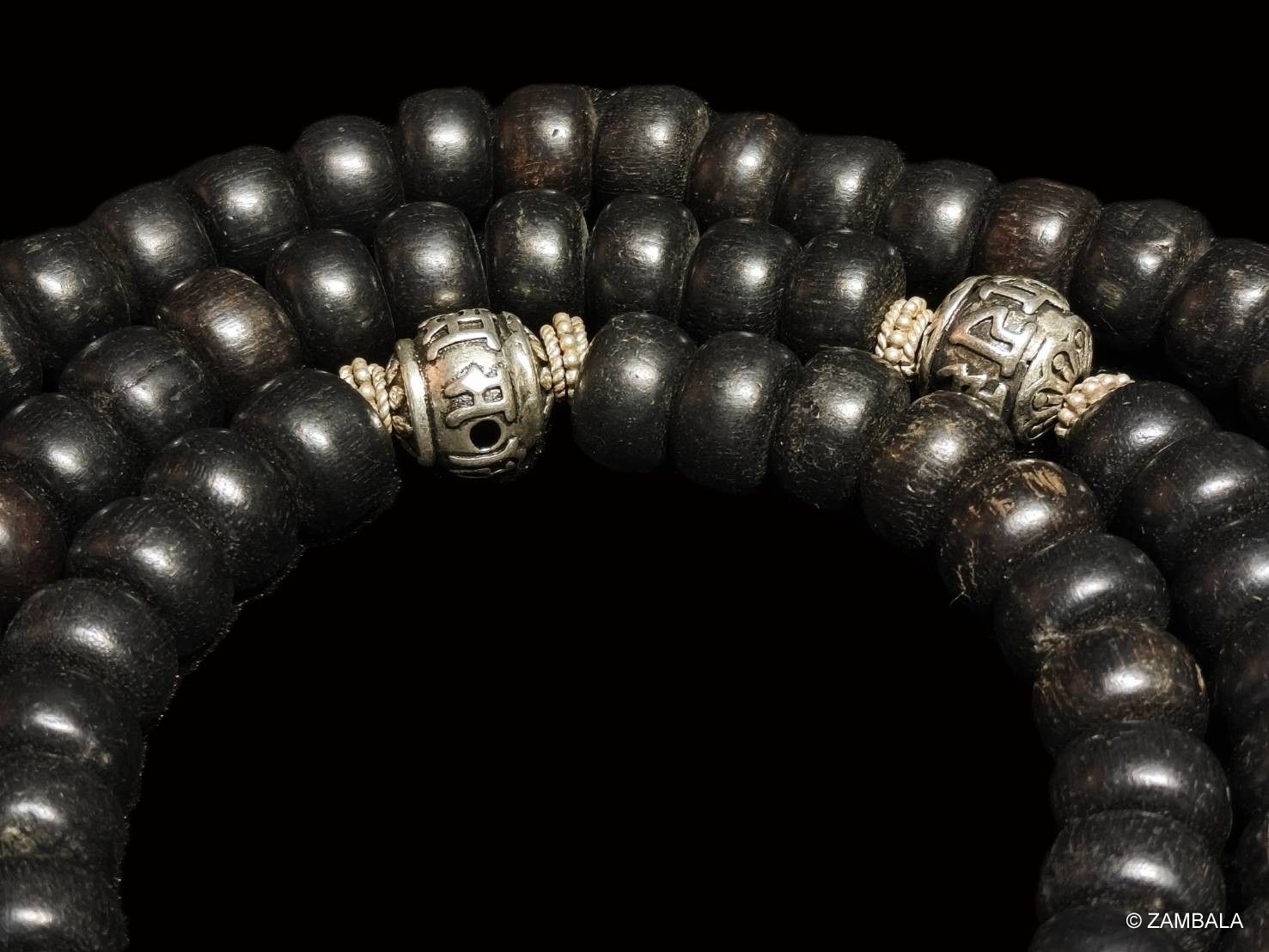
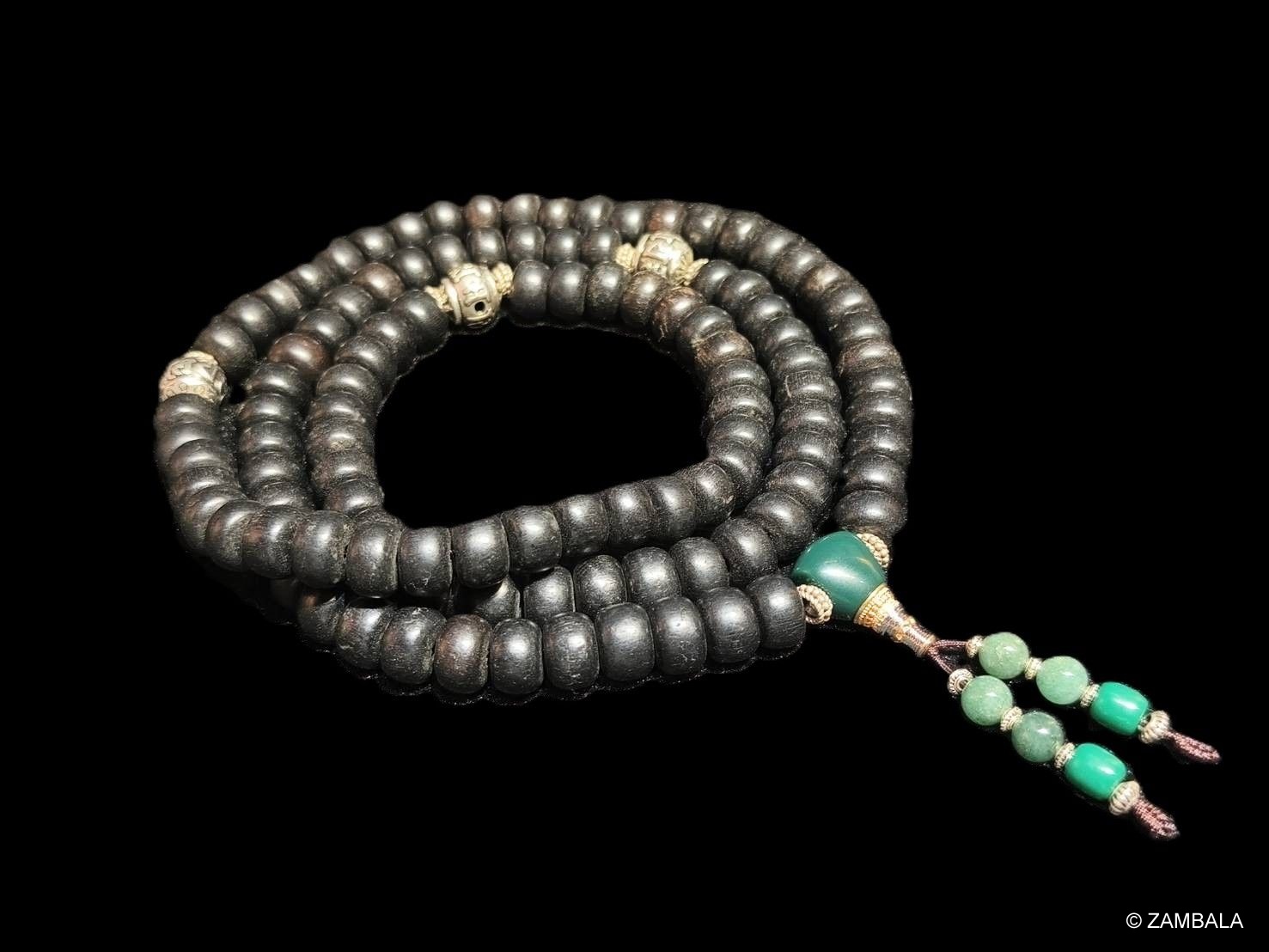
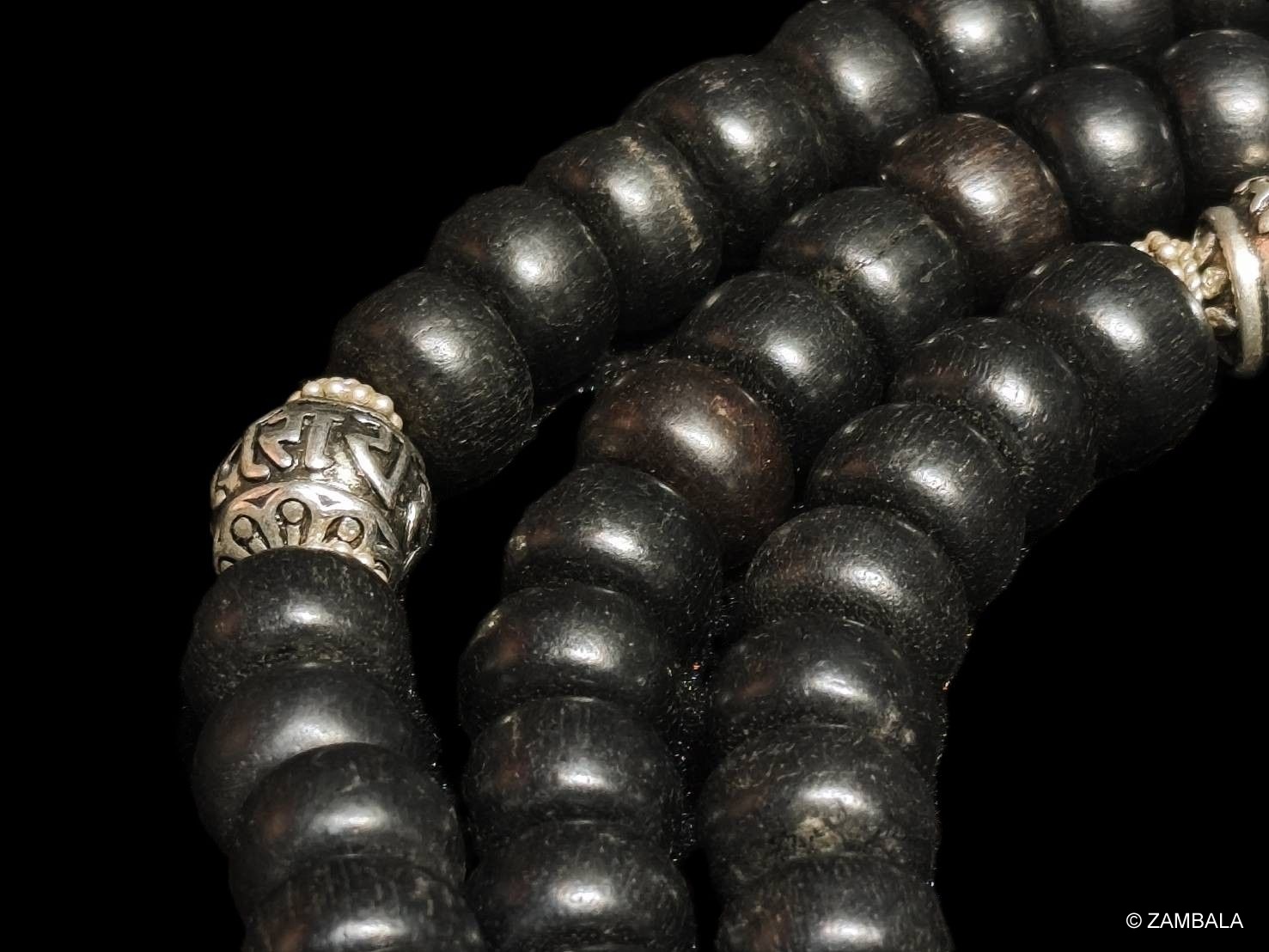
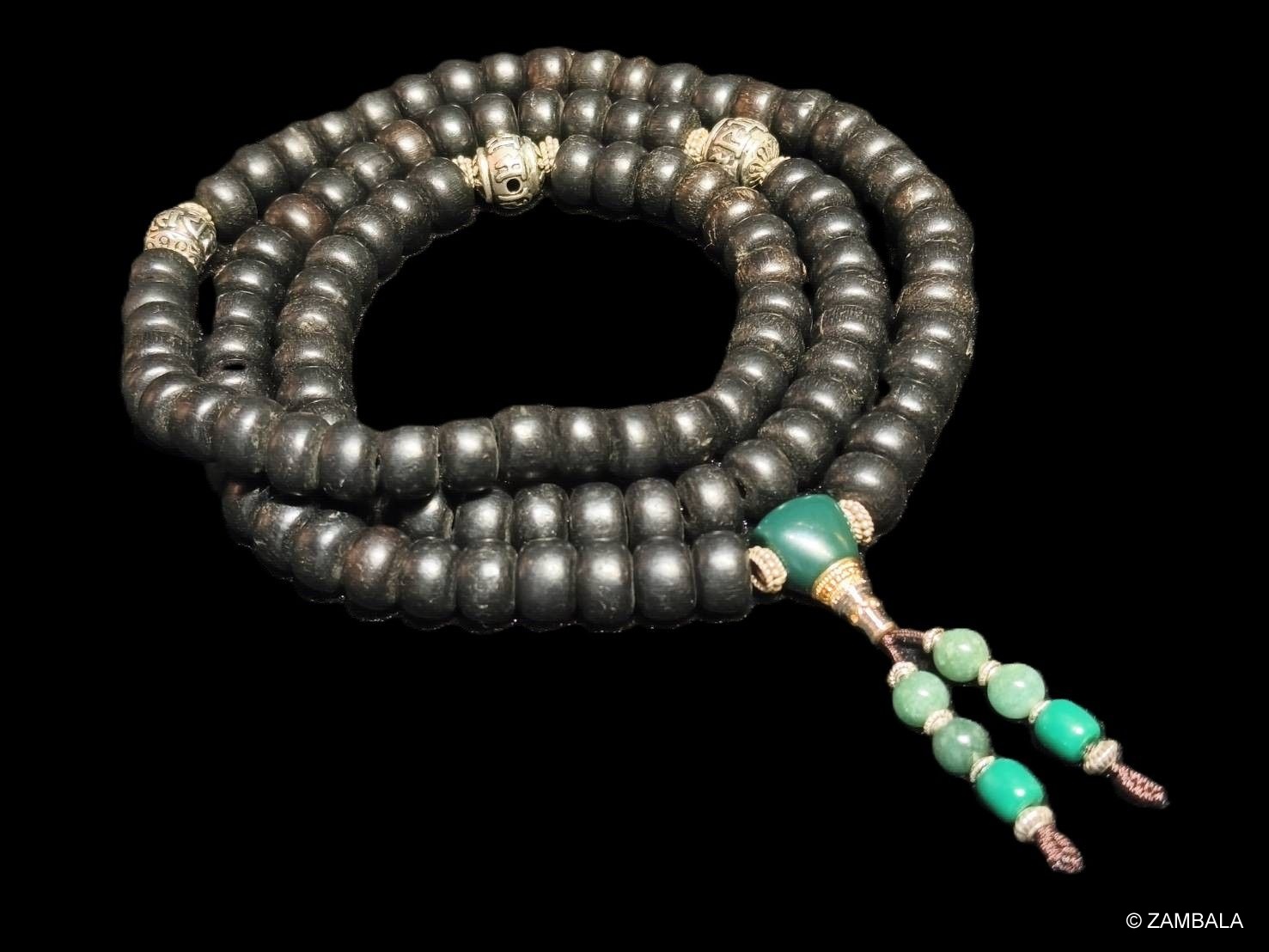
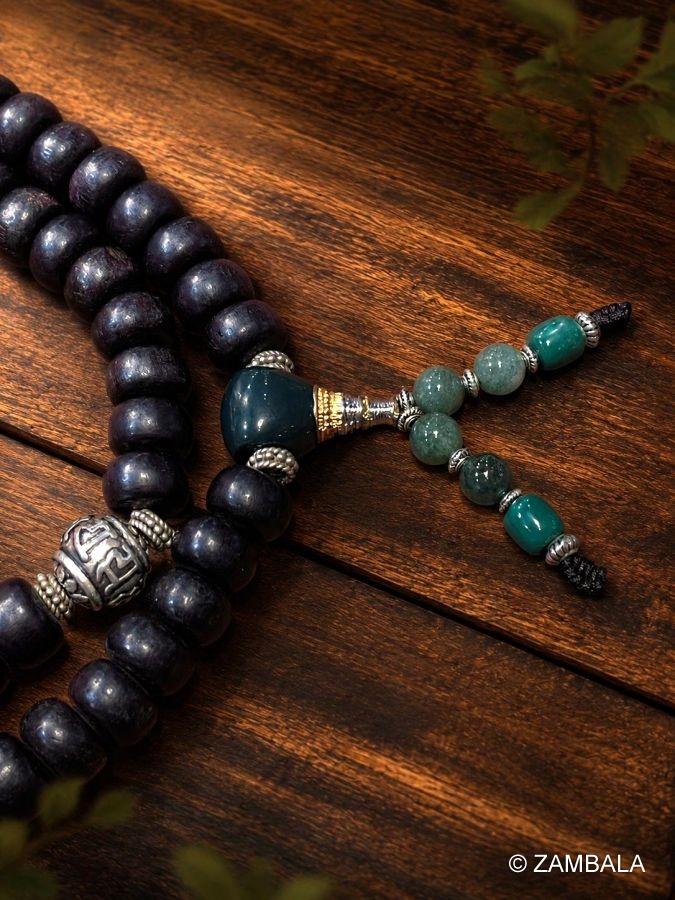
| Ebony 108-bead Buddhist Prayer Beads |
|
|
|
| Ebony |
|
Sku#:1562-1
|
|
|
Wholesale price |
US |
XXX.XX |
|
《In order to view the wholesale price .
Please Apply to be a wholesalers》
|
|
|
|
|
 |
|
Please contact us to verify availability. 1-626-354-6228
Email: zambalallc@gmail.com
America area customers can view on this website first.
https://FlyingMystics.org/ |
|
|
|
|
|
|
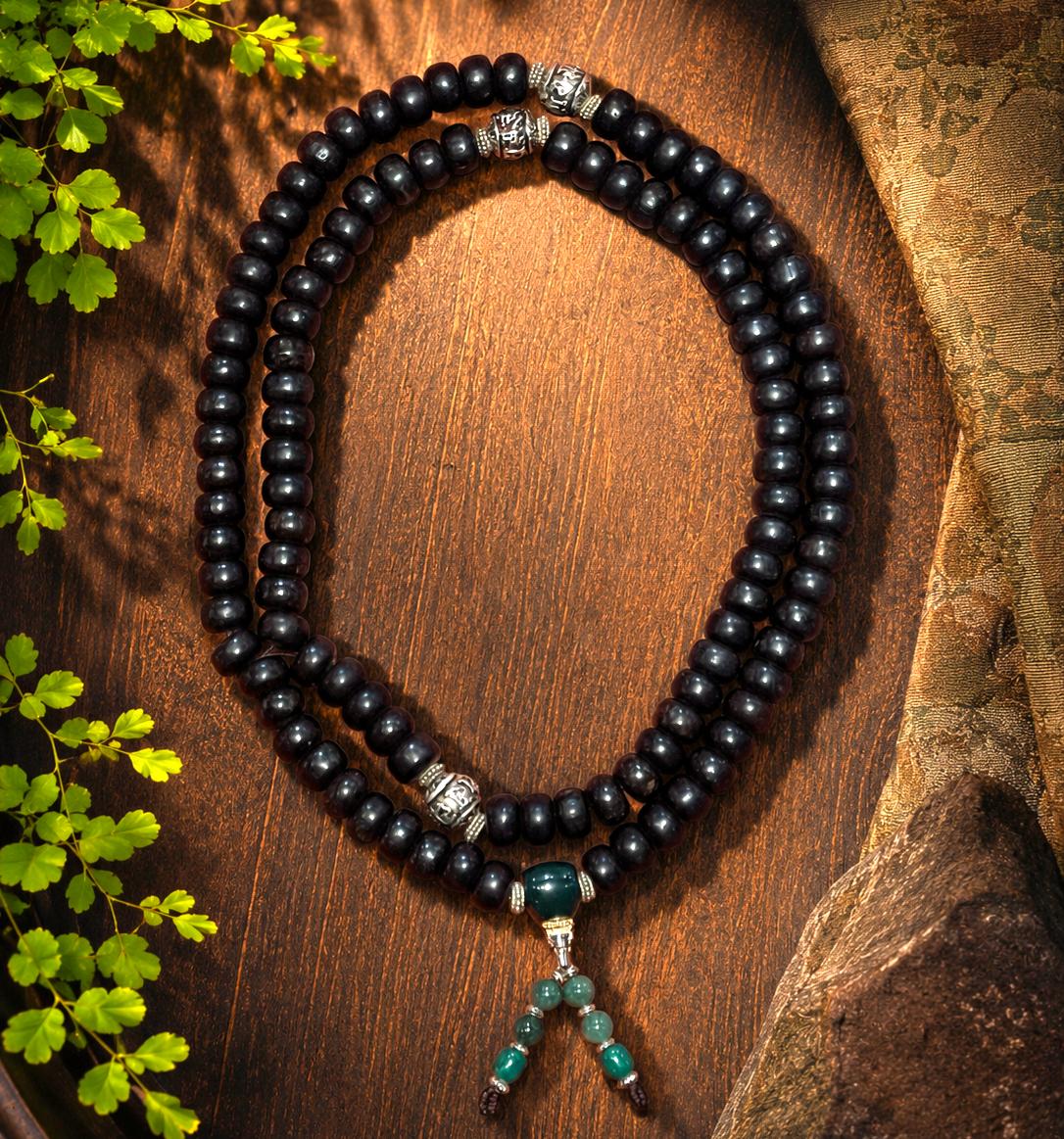
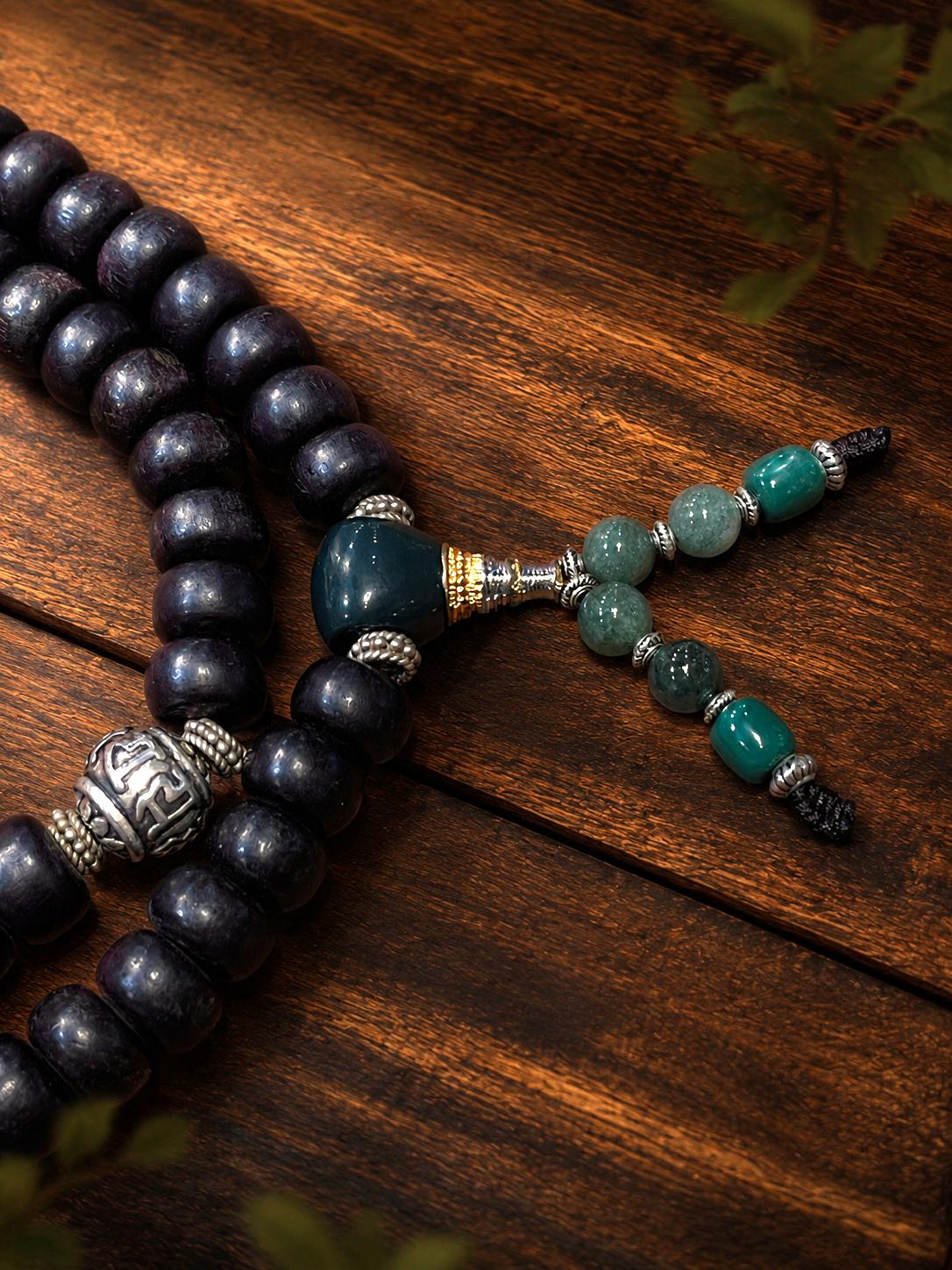
Material: Ebony 108-bead Buddhist Prayer Beads
Size: 13mm
Description: **Ebony Buddhist prayer beads** are a common and distinctive material used in Buddhist prayer beads (also known as rosaries or bracelets). The following is a brief description from three aspects: composition, manufacturing method, and influence on Buddhism:
1. Composition (Material Essence)
- The most authentic origin of ebony is **Sulawesi Island, Indonesia** (Sulawesi ebony), scientifically known as **Diospyros celebica** (Sulawesi persimmon), belonging to the Ebenaceae family.
- The heartwood is deep black or jet black (sometimes with greenish-jade hues or fine grayish-brown streaks), while the sapwood is lighter in color (white to light reddish-brown).
- Characteristics: Extremely dense structure, high oil content, high hardness, strong luster (metallic texture), durable and resistant to decay, almost resistant to insects, and has a subtle aroma (unlike sandalwood, which is more pronounced). - Due to its harsh growing environment (tropical arid islands) and extremely slow growth rate (requiring hundreds to over several hundred years), ebony is a rare and protected wood, listed as a controlled or endangered species in many countries.
"Ebony prayer beads" commonly found on the market can be genuine or fake:
- Genuine ebony is mostly Sulawesi ebony or Madagascar ebony.
- Fake ebony often uses dyed hardwoods (such as African ebony or striped ebony) or compressed wood or glued wood to imitate it.
2. Manufacturing Process The manufacturing process of ebony prayer beads is roughly as follows (similar to most hardwood prayer beads):
1. **Materials Selection** → Select ebony logs without cracks, large white edges, and a high heartwood ratio (the larger the diameter, the rarer).
2. **Cutting** → Saw into square pieces or cut directly into blanks close to the size of the beads.
3. **Turning** → Use a lathe to turn the blanks into round beads (diameter usually varies from 8–18mm, depending on the intended use). 4. **Drilling** → Drill precise holes in the center of each bead (the holes must be straight and uniform in size).
5. **Grinding and Polishing** → Multiple rounds of manual or mechanical grinding → to achieve a mirror-like, glossy finish (ebony itself is rich in oils, becoming increasingly lustrous with handling).
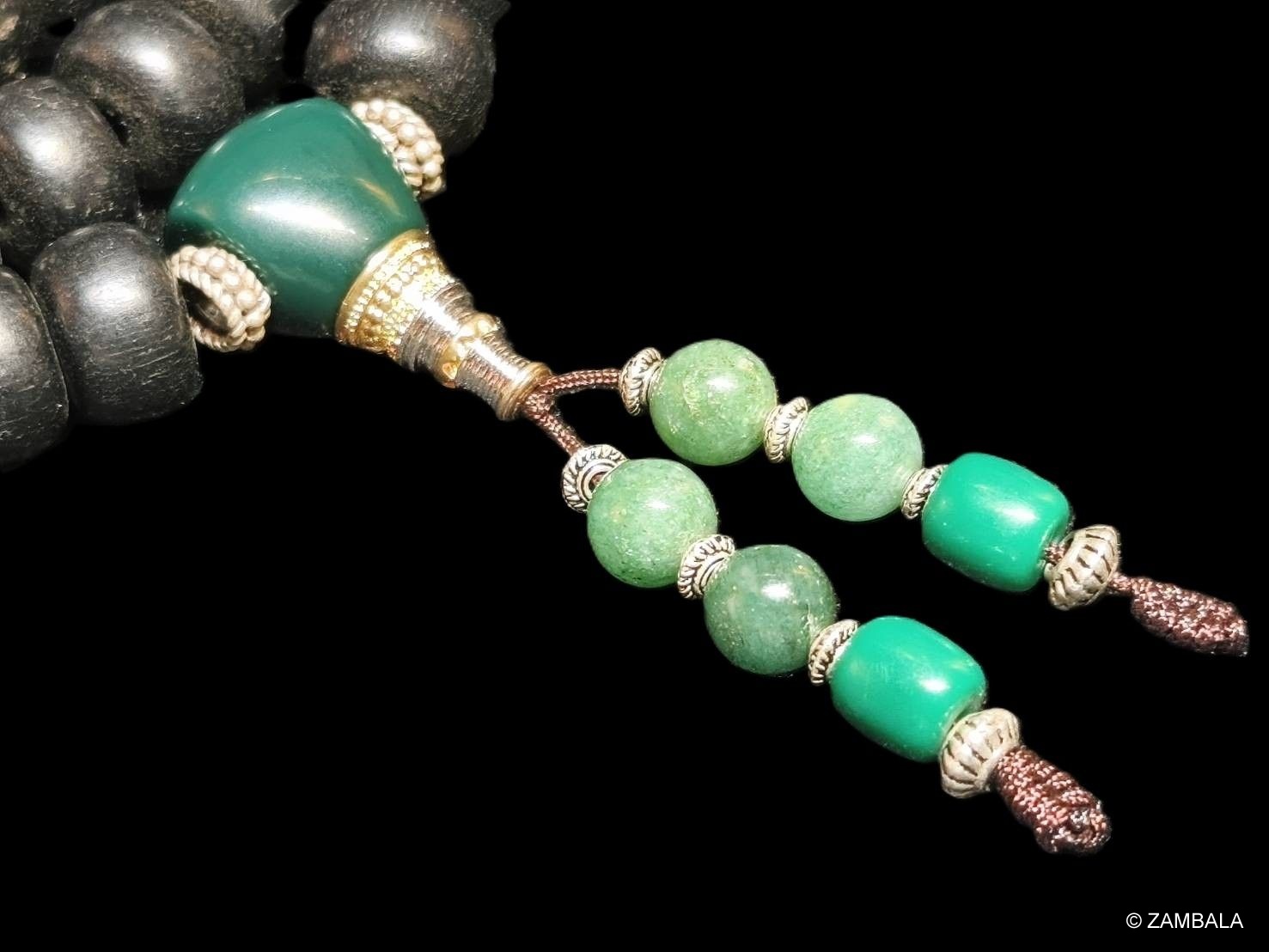
6. **Stringing** → String together 108 (most common), 54, 27, 21, or 18 beads using strong thread (nylon, elastic, or silk), adding spacer beads, a mother bead (Buddha head), and a tassel.
7. **Knotting and Secure** → Finally, secure the beads with a knot.
Because ebony is extremely hard and difficult to work with, it causes significant wear and tear on tools. Therefore, truly handmade ebony prayer beads are relatively expensive.
3. Influence and Significance on Buddhism
In Buddhist tradition, ebony is not listed as the highest-grade "sacred sandalwood" like **white sandalwood**, **agarwood**, and **purple sandalwood**. However, it is still widely accepted as a high-grade material for Buddhist prayer beads and is often included in the "Five Sandalwoods of Buddhism" or an extension of the "sacred sandalwoods" (agarwood, white sandalwood, purple sandalwood, green sandalwood, and ebony).
Main Symbolism and Influence:
- **Exorcism, Suppression of Evil, and Protection**: Ebony, with its jet-black color, is believed to have a strong ability to "absorb" and "block" evil spirits, thus warding off evil, neutralizing negative energy, and ensuring peace (this is the most common interpretation resulting from the fusion of folk beliefs and Buddhism).
- **Stability and Grounding**: Black in Buddhism often represents "emptiness," depth, and stability. Ebony prayer beads are suitable for helping practitioners to "calm their minds" and subdue distracting thoughts, especially suitable for those practicing meditation or those with heavy karmic burdens who wish to purify them.
- **Enhancing the Effectiveness of Mantra Recitation:** Many believe that ebony's inherent properties of being "impervious to all poisons and resistant to decay" symbolize a steadfast and unyielding spiritual resolve, making it easier to concentrate and avoid distractions when reciting mantras or chanting Buddha's name.
- **Protective Significance:** In the eyes of some practitioners of Tantric Buddhism or folk Buddhism, ebony possesses strong "protective" energy, making it suitable for practicing protective Dharma methods or seeking peace.
In summary, ebony prayer beads are considered a "high-grade" material in Buddhism. While not as "sacred" as agarwood or bodhi seeds, nor as "expensive" as small-leaf sandalwood, its deep black color, stability, hardness, durability, and strong protective connotations make it particularly popular among lay practitioners seeking peace, tranquility, and protection from evil.
If you are handling or wearing ebony prayer beads, remember to avoid prolonged contact with water and chemicals. Regularly handling them with a dry cloth or by hand will help them develop a beautiful patina over time!
|
|
|
 |
|
|
|
|
|
|
|
|
|
|
|
|
|
|
|
|
© 2026 Zambala inc. All Rights Reserved. No part of this site may be reproduced without our written Permission.
Service Mail: ZambalaLLC@gmail.com
Phone: (626) 289-9787 or 1(888)Zambala (926-2252)
Fax: (626) 289-9719
1904 West Valley Blvd. Alahambra, CA 91803 USA
Unless stated otherwise in content's license. Design By
|
|
|